The Dublin Port Company (DPC) has submitted plans with an estimated cost of €1.1bn for the 3FM Project, the final phase of its effort to redevelop its lands and enhance port capacity by 2040.
The third phase will focus on existing brownfield lands on the Poolbeg peninsula, where a fifth of Dublin Port's estate is located. Works would take place on a phased basis over 15 years if An Bord Pleanála grants planning permission.
The new plans would account for 20% of port capacity with the construction of essential infrastructure as well as capacity for unitised cargo as demand for freight services from continental Europe continues to grow.
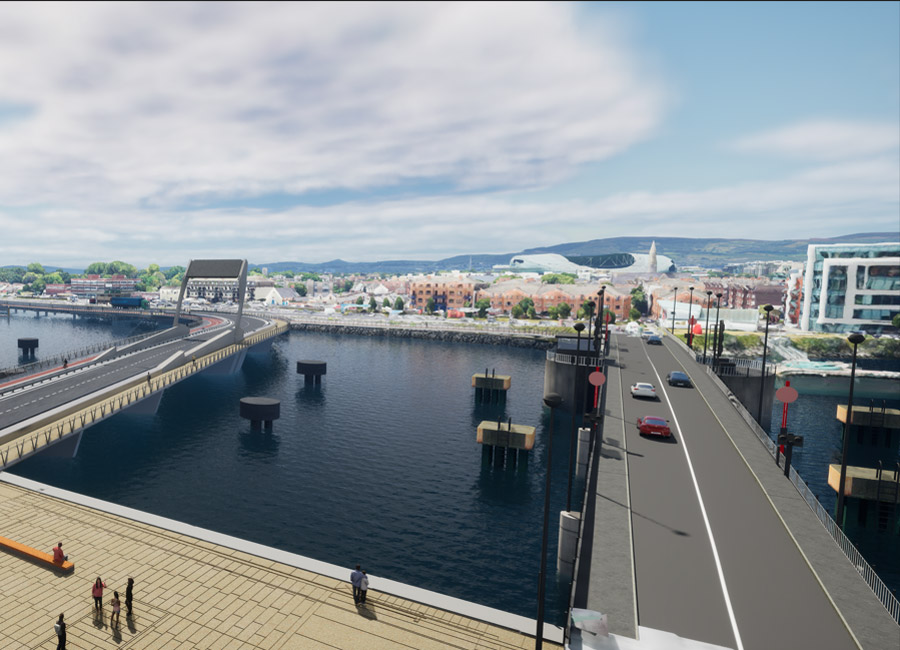
The 3FM plans include the construction of a new bridge across the Liffey as part of the Southern Port Access Route (SPAR), removing HGVs, port and commercial vehicles from existing public roads that lead to and from the Tom Clarke Bridge.
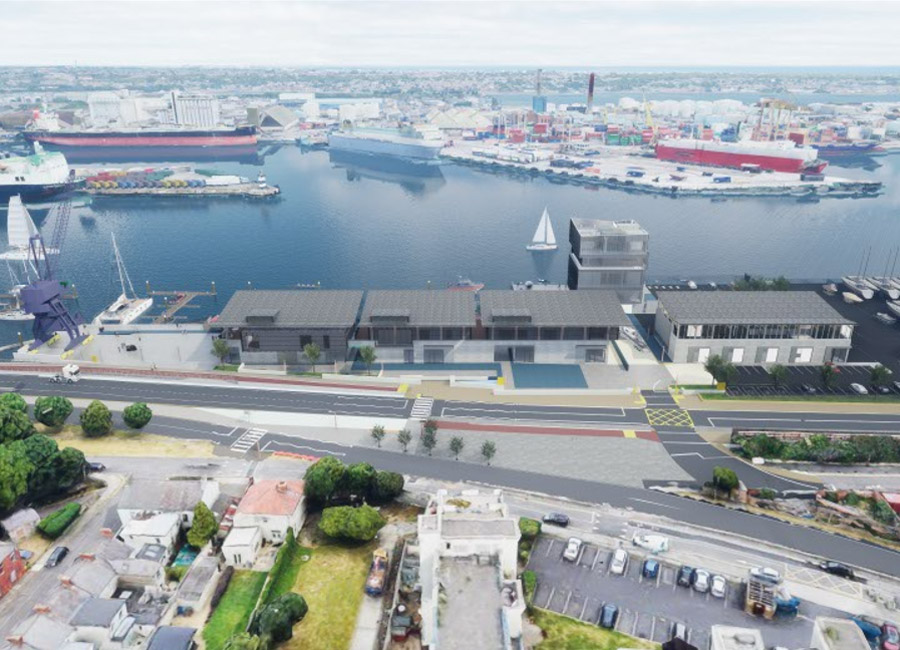
The plans also allow for 7km of cycle and pedestrian routes for active travel across the Poolbeg Peninsula and River Liffey. In addition, a new 'Maritime Village', public park and enhanced public and community amenity will be provided.
In all, 3FM has six "key" elements. In addition to the SPAR, the Maritime Village and the community elements, new lift-on, lift-off and roll-on, roll-off terminals, and a 325m diameter ship turning circle have also been earmarked.
The project is the largest in is 317-year history of DPC. The first two phases of DPC's 2040 Masterplan, the ABR Project and the MP2 Project, are near completion and under construction, respectively.
“Dublin Port is already one of Europe’s most efficient ports. For business, the 3FM Project means essential port infrastructure that supports Ireland’s export ambitions into the future. For consumers, this infrastructure will support competitive shipping routes for the goods and materials we use in everyday life, from building and health supplies to furniture and grocery," said Barry O'Connell, CEO of DPC.
“Our project design not only creates a more efficient port but does so in a way that enhances our community, protects our environment and respects our heritage.
"For the local community and future residents, it creates new and enhanced public amenities, including a world class Maritime Village, 7km of pedestrian and cycle routes, a new public park and wildflower meadow, as well as a floodlit playing pitch for local clubs.
“In relation to the Great South Wall, a new Public Access Feasibility Study and up to €1m in funding to implement its recommendations, will look at the possibilities for public interpretation, access, facilities and conservation.
“At the same time, the project uses construction techniques for a new container terminal facility that will enhance our environment and the biosphere, utilising open-piled structures to protect marine biodiversity and incorporating infrastructure to support the low-carbon operation of the terminal. Relocating the container freight stacking operation further away from residential areas also ensures lesser noise and visual impact."
Public information sessions will take place in August with details of the proposed development plans on view, and with Dublin Port’s project team on hand to discuss these in person.
There will be sessions at Poolbeg Boat & Yacht Club (13 August), Clanna Galey Fontenoy GAA Club (14 August), and Clontarf Parish Hall (15 August).
Photo: A CGI aerial overview image of the proposed Maritime Village and interface with SPAR. (Pic: Dublin Port Company)