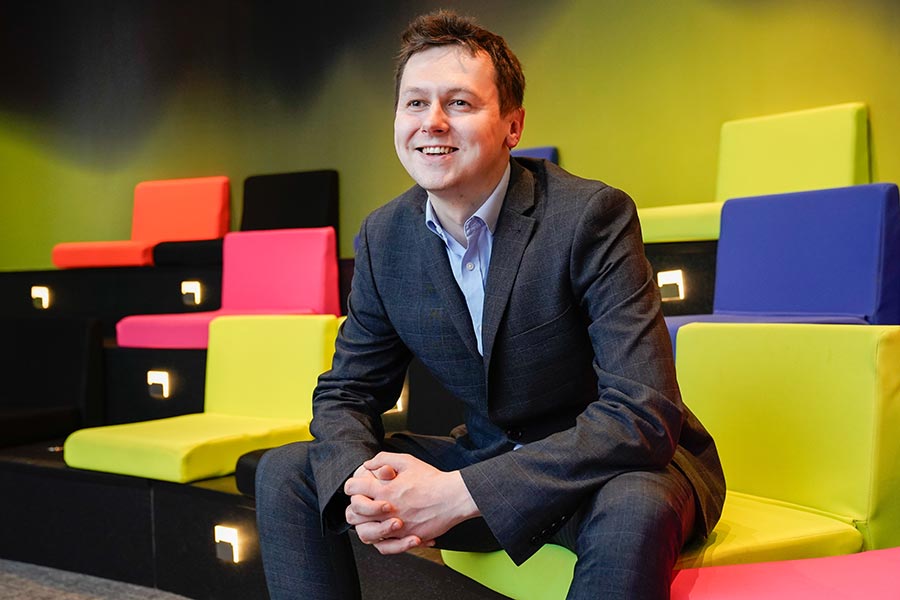
The chief executive of Ireland's autism charity, AsIAm, has been impressed by the response of Irish companies to the wider backlash against, diversity, equity & inclusion (DEI) precipitated by Donald Trump's return to the White House.
Speaking ahead of AsIAm's hosting of the Autism-Europe International Congress in Dublin next month, Adam Harris said that while we might have seen "the mask slip" with regards to Big Tech's commitment to DEI, indigenous firms remain on board.
He referenced a recent breakfast event on neuro-inclusion in the workplace hosted by Dublin Chamber and Codex that he spoke at, which was attended by 180 people.
"I think that while we might see the mask slip on some technology companies in terms of their commitment to this area -- was it real or was it performative? -- I think what we're seeing in terms of our own indigenous companies, and indeed in many other areas of foreign direct investment as well, is an ongoing commitment," he said.
"So we haven't recorded any reduction in queries whatsoever from corporates, and I think we're getting very, very strong support from the likes of Ibec, for example, which I think shows that Ireland is holding its own and punching above its weight despite what's going on.
"Obviously, generally, it's very regrettable to see the Trump administration try and make something of a political football or a culture war around autism."
Robert F Kennedy Jr, Trump's secretary of health, has promoted debunked theories that autism is linked to vaccines and in April pledged "a massive testing and research effort" to determine the cause of autism.
"I think that's something that we would have thought we were long past," Harris said of the Trump administration's regressive approach to autism.
"But obviously that's an administration that, since January, has been spreading very dangerous misinformation around autism, including what causes autism, which is not only flagrantly untrue, but also very dangerous from a public health perspective too.
"So it's a very scary time, but what I would say is that the businesses we're engaging with are, if anything, becoming more committed or more determined."
AsIAm has seen strong interest from Irish corporates seeking to send representatives to the Autism-Europe International Congress, with up to 2,000 people expected to attend the RDS from September 11-13.
The triennial event is being held in Ireland for the first time and brings together leading international researchers, practitioners, advocates and speakers as well as delegates from 63 countries.
The theme this year is 'Quality of Life - Research, Policy and Practice', and the programme is designed to advance neuro-affirmative autism research and practice.
Harris and AsIAm want to "maximise the opportunity" presented by hosting the conference and seeking as many companies as possible to attend, but the charity also has three legacy goals for the event.
"One is about accessibility, one is about tackling misinformation, and the third is really about how we can leave a lasting legacy in terms of employment," said Harris.
"And that's why we want to make sure as many companies as possible are as aware of this event and are also, I suppose, not losing the opportunity to be a leader, to be at the forefront in this change.
"We see very strong support from some of the leading corporates in the state for this initiative, and it's an opportunity for businesses to get on board and be early adopters."
The event comes at a time of "huge demographic" shift as a generation of children with autism leaves school.
One in 20 children in Irish schools has an autism diagnosis, and 85 per cent of autistic adults are either unemployed or underemployed, so leaving school presents a difficult transition for people with autism.
There have been some encouraging shifts with the publication of the government's Autism Innovation Strategy last year and the launch of the Department of Social Protection's Work and Access programme, which provides supports and incentives for employers hiring people with disabilities.
Harris said the prospect of unemployment or underemployment "has a huge impact in terms of quality of life" and also "represents an enormous loss of talent to businesses" and the country at large.
"The Congress is a really important opportunity for us to bring the discussion of autism beyond just services into wider society.
"Throughout the three days, there is going to be a key thread focusing on the world of work, and we're really excited to have some partners who are supporting us in these efforts that will ensure that the learnings that are on this stage are also brought out into the wider community," he continued.
Those partners include employers' group Ibec, building materials company CRH, AIB, Salesforce and platinum sponsor Codex, which is looking into how to make office environments more accessible for autistic people.
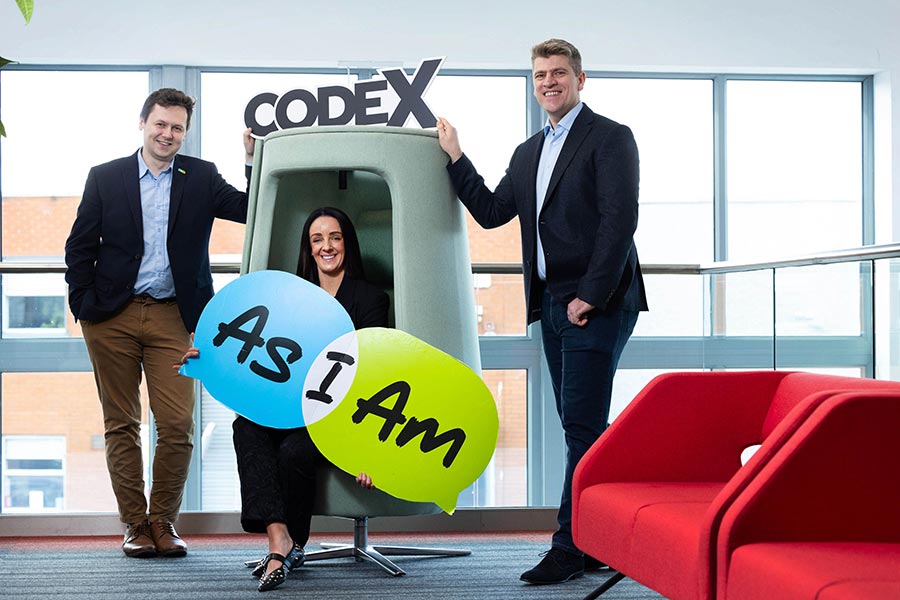
"What we're hoping to do is both educate DEI professionals, HR professionals and senior leaders over the course of three days about the opportunities to engage autistic talent in the world of work, but also issue a call to action from the stage and for businesses to go on that journey with AsIAm."
All information about the 2025 Autism-Europe International Congress is at autismcongress2025.org. Companies that want to find out more about AsIAm services or get involved in the event can contact AsIAm via its website.
Photo: Adam Harris, CEO, AsIAm. Photograph: Photocall Ireland