In our lifetime, sports technology has developed faster and with greater impact than ever could have been imagined, writes Rob Hartnett.
Where once the electronic stopwatch was deemed cutting edge, now we are surrounded by ways to improve performance, officiating and the viewing of sport.
Research by Teneo unveiled at the Sport for Business Sporting Year Ahead in January found that the adoption of wearable fitness technology has almost doubled from 30% to 59% among 18- to 24-year-olds and risen from 28% to 42% among the general population.
Over 80% of us say we are motivated by these devices to be healthier and to exercise more.
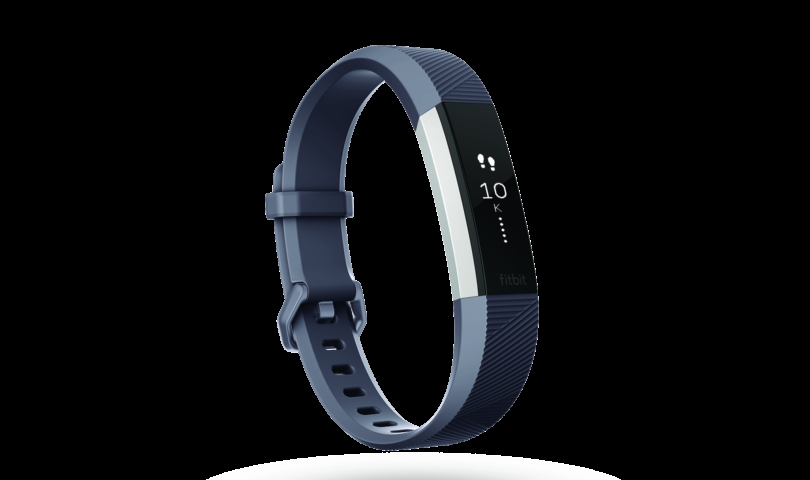
Whether it is Google’s Fitbit or the athlete favourite WHOOP, there is an incredible amount of data being willingly transferred in exchange for a better known self.
Athletes and coaches can use wearable data to monitor workload, ensuring they are training within optimal intensity zones to prevent overtraining or injury.
Substitutions in football, rugby and Gaelic games are determined by screen data as opposed to the eye test in many matches.
The small box stitched into the jersey is the most objective judge when it comes to player fatigue.
Metrics like VO2 max and lactate threshold would have been a foreign language to Jack Charlton or Mick O’Dwyer, but now they are essential parts of the virtual kitbag at a manager’s disposal, and ours as viewers.
The trackers also allow coaches and pundits to analyse positional play and movement efficiency on the pitch in myriad ways.
Coupled with advances in data analytics and AI, we are nearing a point where prediction of future results is wonderfully, or dangerously, close.
DECISION MAKING
Video Assistant Referee (Var) technology has revolutionised how decisions are made in critical moments.
Var uses multiple camera angles to analyse key incidents, such as offside calls, potential penalties and red card offences.
What would a big match at Croke Park be without Hawk-Eye?
Or the Six Nations without a review by the TMO?
By reviewing decisions in real time, each technology ensures a greater degree of accuracy, reducing the influence of human error, and making the sport fairer, if slower.
In tennis, Hawk-Eye is used to determine whether a ball is in or out, providing instant feedback with an accuracy rate of up to 99.99%.
FITNESS AND INJURY PREVENTION
Advances in biomechanics and sensor technology are enabling athletes to refine their technique with pinpoint precision.
Devices such as smart insoles and motion-capture suits provide detailed feedback on movement patterns, helping athletes to identify inefficiencies and reduce the risk of injury.
Curative medicine is now being matched by preventative knowledge and understanding and we are benefiting in regular life by this as much as in the high performance arena.
FUTURE OF SPORTS TECHNOLOGY
Looking ahead, the role of technology in sports is only set to expand.
Innovations in virtual and augmented reality are already being used to enhance training.
Movement into tackles in rugby or the NFL can be replicated without the physical wear and tear, potentially making sport safer as well as assisting longer careers
BUSINESS BENEFITS
There is a real business benefit for companies on the cutting edge of this brave new world, and Ireland has been to the fore.
STATSports has stayed true to its Newry roots while working with teams and players from the Premier League to the NBA and the NFL Output Sports has developed from a UCD spin-out out to listing Patrick Mahomes and Jon Rahm among the stars to use their technology.
Kitman Labs has grown an Irish startup to a major base in the US, while Stats Perform has come the opposite direction — creating hundreds of jobs in Limerick covering the information used by media to tell data stories on the Super Bowl and the Fifa World Cup.
Enterprise Ireland has been an enthusiastic backer of companies in the space of performance, injury prevention and broadcast.
Sport Ireland hosts an annual innovation conference and TU Dublin has a postgraduate diploma entering its second year spreading knowledge on technology in sport.
Technology is seen by some as the enemy of physical activity, but the reality is that we are moving more as a result of the phone in our hand nudging us to do so.
We are moving smarter with technology guiding us to better technique and better outcomes.
Rob Hartnett is the founder of Sport for Business, a publishing, events and networking business at the heart of the commercial world