When word got out last summer that Oasis were reuniting, it was widely reported that the Gallagher brothers would each earn £50m to bury the hatchet and tour together once more.
The siblings feuded for much of the band's existence from the early 1990s to their split in 2009 and continued to trade memorable barbs in the media over the subsequent 15 years while pursuing their respective solo careers.
While frontman Liam had long been open to reforming Oasis, guitarist and songwriter Noel steadfastly refused to consider sharing a studio or a stage with his younger brother until his 2023 divorce from wife Sara MacDonald.
MacDonald reportedly received £20m from Gallagher as well as their £8m Hampshire home in the divorce settlement, perhaps incentivising Gallagher to revive Oasis to replenish his cash reserves.
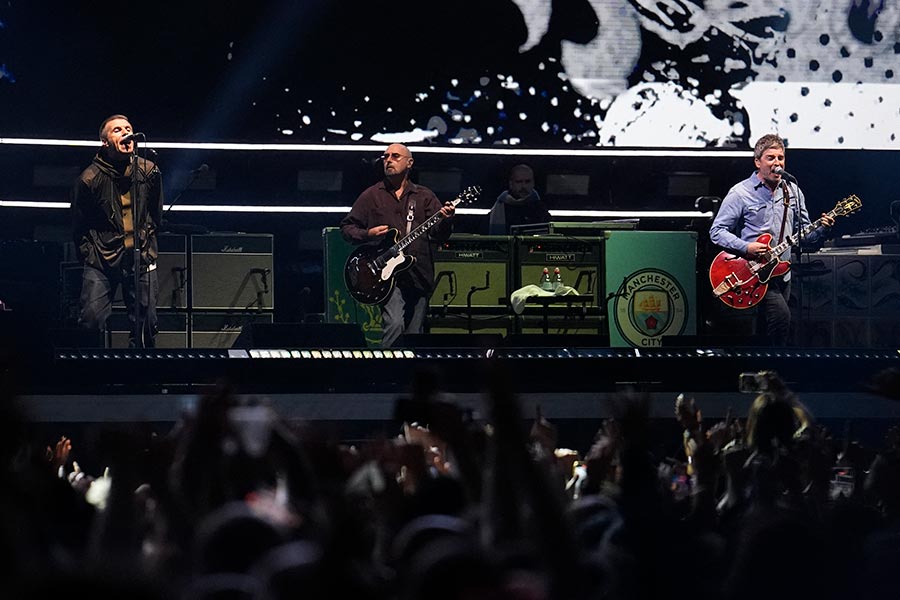
Early reports of a handful of gigs in London and the band's native Manchester soon gave way to an initial 14-date Oasis Live '25 tour of the UK and Ireland and eventually a 41-date world tour with stops in North America, Asia, Australia and South America.
Demand for tickets was overwhelming, with 14m people queuing for 1.4m tickets when the British and Irish dates went on sale last August.
In Ireland, tickets for this weekend's Croke Park gigs were advertised as being priced from €86.50, but fans spent an average of €347 due to higher prices for premium tickets as well as the controversial 'dynamic pricing' model employed by Ticketmaster.
With dynamic pricing, the price of tickets can increase substantially when the number of tickets available is limited and demand is high.
Competition regulators in the UK, Ireland and the EU all commenced investigations into dynamic pricing in the days after tickets sold out, following hundreds of complaints from disappointed fans across the continent.
The band said they "at no time had any awareness" that dynamic pricing would be implemented, handing responsibility for the decision "entirely to their promoters and management".
At the first gig of the tour in Cardiff last month, Liam referenced the controversy less dryly, asking the audience if the gig had been "worth the £40,000 you paid for a ticket?"
Unsurprisingly, the tour is proving to be a major money spinner for host cities, with Barclays estimating that fans will spend £1.06bn attending the 17 UK dates -- more London and Manchester dates were soon added due to demand.
The bank estimated that fans would spend an average of £766 between tickets, travel (£70.50), accommodation (£108), pre-gig food and drink (£75.70), outfits (£73.70) and other expenses.
Fans are expected to spend £59.70 on merchandise, which is officially being handled by WMX, Warner Music Group's fan experience division, after striking a deal with Oasis last November. Terms of the deal were not disclosed.
Barclays also found that six in ten ticket holders had spent more than planned on tickets but believed the experience would be worth the cost, with 16 per cent justifying the outlay as a gift and 30 per cent describing it as a sentimental purchase.
Birmingham City University estimated last August that ticket sales for the initial 14 UK and Ireland dates alone would bring in £400m, or around £28.5m per gig.
Extrapolated over 41 dates, the total rises close to £1.2bn, so the £50m figure the Gallaghers are each expected to earn is perhaps nearly three times higher.
The band, and particularly lead songwriter Noel, will also see financial benefit from increased interest in the group away from the stadiums they're touring.
Streams of Oasis music on Spotify increased 320 per cent globally in early July, coinciding with the start of tour as excitement for the reunion finally crested, and the band have attracted 16.6m new listeners this year.

At time of writing, Spotify said Oasis has 30.9m monthly listeners.
Under the most conservative estimates, the band would earn at least $927,000 per month based on the minimum rate paid to artists of three cent per Spotify stream.
Photo: Noel Gallagher (left) and Liam Gallagher of Oasis pose at Wembley Stadium on October 16, 2008 in London, England. (Pic: Samir Hussein/Getty Images)