Manchester United are at risk of breaching the Premier League's profit and sustainability rules (PSR), the club has told fans.
In a letter to fan groups The 1958 and Fan Coalition 58, Manchester United said they must "act now," otherwise the club will be in "danger of failing to comply with PSR/[UEFA Financial Fair Play] requirements."
Premier League clubs Everton and Nottingham Forest were both ruled to have breached PSR last season and were ultimately deducted six and four points, respectively.
United said losses over the past three years have totalled more than £300m. Under PSR, clubs can lose up to £105m over three years, so United are nearly £200m over budget, provisionally.
"This is not sustainable," the club said. "We will have to make some difficult choices. That has included a significant reduction to our workforce as well as cuts across many areas of spend across our club.
"We do not expect fans to make up all the current shortfall - but we do need to look at our ticketing strategy to ensure we are charging the right amount, and offering the right discounts, across our products for our fans."
Under the stewardship of minority owner Jim Ratcliffe, United have cut 250 jobs amid a wider cost reduction effort, which has proven unpopular with staff.
For instance, ahead of the FA Cup final last May, the club scrapped perks for staff such as free coach travel, food and hotel accommodation as well as the post-match party and extra tickets for friends and family.
Alex Ferguson, the most successful manager in the club's history, was also made redundant from his role as club ambassador, for which he was paid £2m per year.
The club has also attracted anger from fans with the decision to raise match day ticket prices to £66 and take away concessions for children and pensioners.
In September, United reported a net loss of £112.2m for its financial year ending on 30 June.
The 2023/24 loss followed on from losses of £28.7m in 2022/23 and £115.5m in 2021/22, and brought total losses over the past five years to over £370m.
The 20-time English champions have not been helped by performances on the pitch and their dealings in the transfer market, which have burned a hole in their finances.
Former manager Erik ten Hag and staff were paid severance of £10.4m when they left the club in October, a few months after United re-committed to the Dutch coach.
In December, the club also sacked Dan Ashworth, the director of football they poached from Newcastle United in a multi-million-pound settlement, after five months due to friction with Ratcliffe.
Seeking to back ten Hag, United spent upwards of £200m during the summer transfer window on players including Joshua Zirkzee, Leny Yorok, Matthias de Ligt, Noussair Mazraoui, and Manuel Ugarte.
According to the club's 2023/24 accounts, United now owe £319m to other clubs in transfer debt, including £154m that is to be paid over the next 12 months, further hampering the club in the transfer market.
The club had £149.6m in cash reserves in September and received a further £79m from Ratcliffe as part of a $300m investment by the INEOS founder that increased his stake to 28.9%.
Operating cash flow of £118m plus £37m recouped in transfer fees and a £4m tax rebate was offset by interest payments (£26m), improvements to the Old Trafford stadium and Carrington training ground (£18m) and transfer fees for players brought in summer 2023 such as Rasmus Højlund, Mason Mount and Andre Onana (£191m).
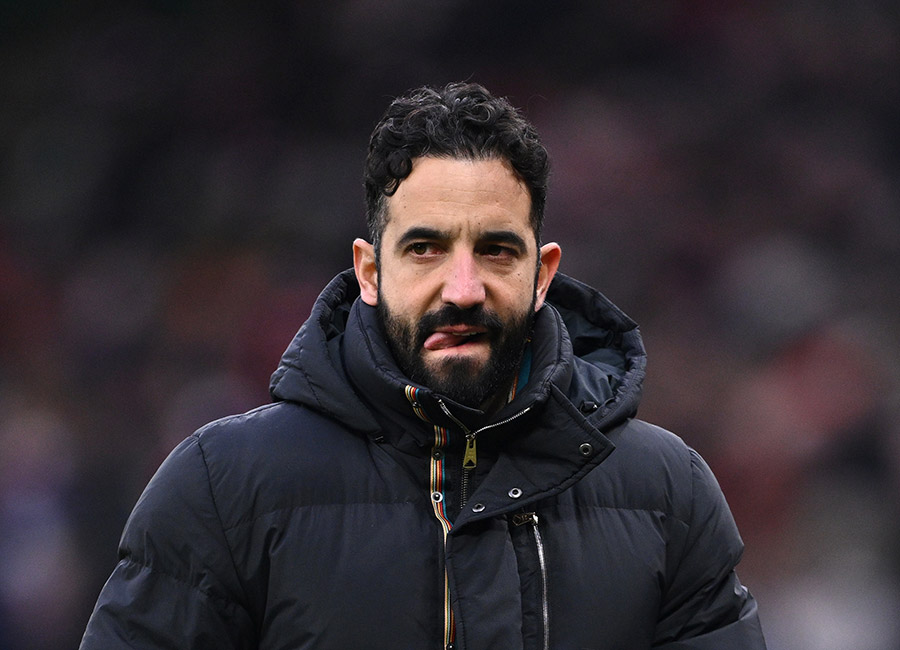
Like most players brought in by the club over the past decade or so, none of them have been an unqualified success.
According to conventional wisdom, United will need to continue spending big to build a squad to match their ambitions, which seems all but impossible considering their PSR predicament.
Photo: Sir Jim Ratcliffe arrives at the stadium prior to the Premier League match between Manchester United FC and Southampton FC at Old Trafford on January 16, 2025 in Manchester, England. (Pic: Ash Donelon/Manchester United via Getty Images)