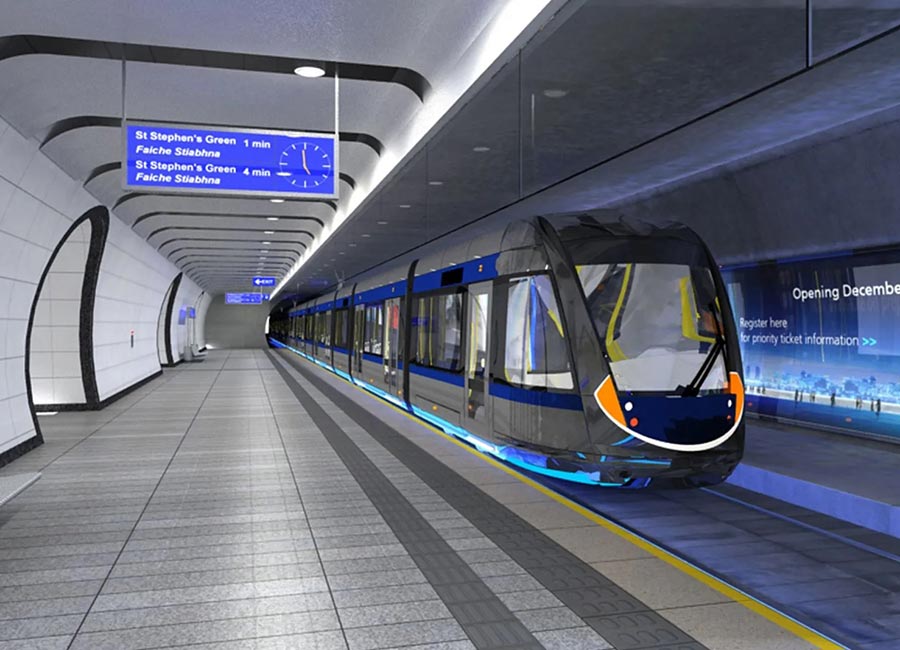
Ireland’s planned underground railway, the MetroLink, may go over budget by a massive €3.8bn and its completion date is likely not to be met, writes Sarah Slater.
The proposed €9.6bn Dublin rail line is facing a 40% over-run on its budget and is expected to leave numerous homes and businesses seriously affected, the MetroLink’s own programme director has now warned.
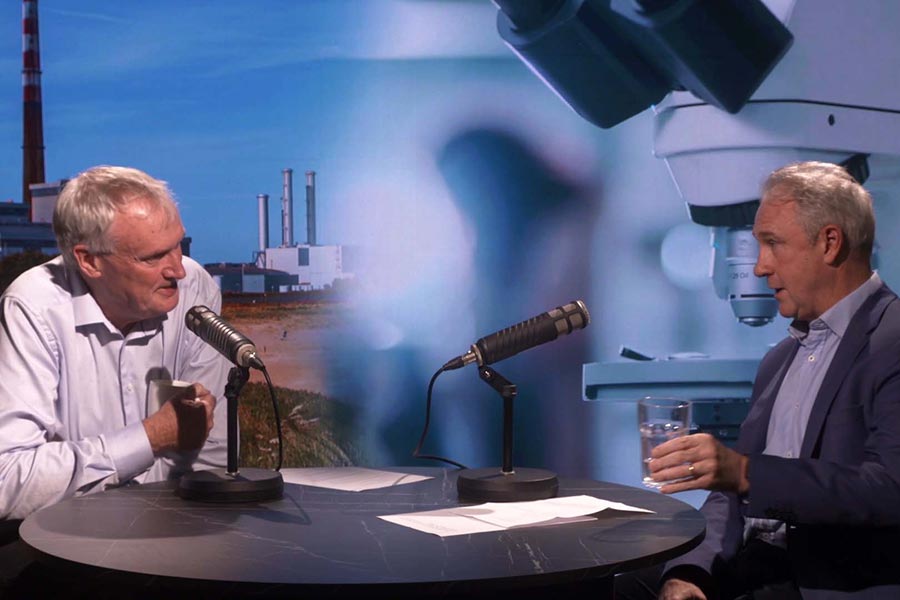
Dr Sean Sweeney, the New Zealand-born project engineer, said the 2021 estimated cost of €9.6bn will have risen due to construction inflation and that the 2035 deadline is likely to be missed.
The director highlighted that since 2021 there has been a 20% rise in construction costs.
“So do the math. The price is going to be some result of that simple multiplication. But we’re doing that work now,” he said.
Dr Sweeney said the Government will have to face down “fierce” public opposition to Dublin’s MetroLink as a number of communities will be impacted by its construction.
“I deliver what I call ‘nation-building projects’, which make countries better,” he said.
“You leave the country better off, but that doesn’t mean everyone is untouched. Some people get touched.
“Some people get grievously impacted. But the nation or the city is better off.”
In his experience, Dr Sweeney pointed out, public opposition to major projects disappears once they are up and running.
On the most recent cost estimates, Dr Sweeney confirmed that the MetroLink budget was already likely to have grown from the €9.5bn conservative estimate to above €11.5bn.
He admitted that whatever the estimate ends up being, it will be exceeded, which the Government and the public must realise.
“There’s been research on major rail projects, and as a global category, they on average come in about 40% over cost, and this is across lots of projects,” he told the Business Post.
“These are just too big for human beings to see that far over the horizon… [MetroLink] is a big project, and we’re going to encounter things that we didn’t realise existed.”
The project had been due to be completed in ten years’ time, but that timeframe will not be adhered to.
“Any date I give you, until we sign up our major contractors, they are all estimates,” he said.
“Because the people that set the cost and the timeframe are your builders, and they might look at our dates and say, ‘No way’. Or they might say, ‘We can take a year out of that’.”
Finding a construction firm in the international market that can deal with a massive project like MetroLink was the greatest challenge, Dr Sweeney said.
And he pointed out that Ireland has “nowhere near” the domestic construction capacity to build the MetroLink.
He said that as a result of this, it must look to the international construction market.
“I noticed as soon as I got here, things take longer,” he said.
“I don’t have a magic wand to sort that out.”
There are €160bn worth of metro projects currently being carried out around the world, so that market is already crowded, and Ireland is not seen as attractive to bidders, he said.
“The thing that’s concerning me the most at the moment is getting an adequate response from the international construction market,” he said.
“Because if we don’t, we’re dead in the water.
“Now, at the moment, the international construction market is not sure about this project. It’s been cancelled once...
“The Government looks like it’s been treating this as a businessas-usual project, which it’s not. So international firms look at that and ask, ‘Are we going to spend money and effort chasing this or not?’”
Dr Sweeney said Ireland moved much more slowly on infrastructure than the countries he has previously operated in.

“I noticed as soon as I got here, things take longer,” he admitted.
“And it’s not a simple answer... It’s a multitude of factors. And it costs Ireland. I don’t have a magic wand to sort that out.
“And it’s not going to be sorted out overnight. Maybe it’ll never be sorted out.”
First mooted in 2000, the proposed 20km line, which will partially run underground between Swords and central Dublin, has been launched three times in total, but cancelled or delayed three times by successive governments, most recently in 2011 during the recession.